The short answer: skip the airport souvenir shops. A Japanese drugstore is the best one-stop souvenir and self-care shop in the country — and if you spend ¥5,000+ in one visit, it’s tax-free.
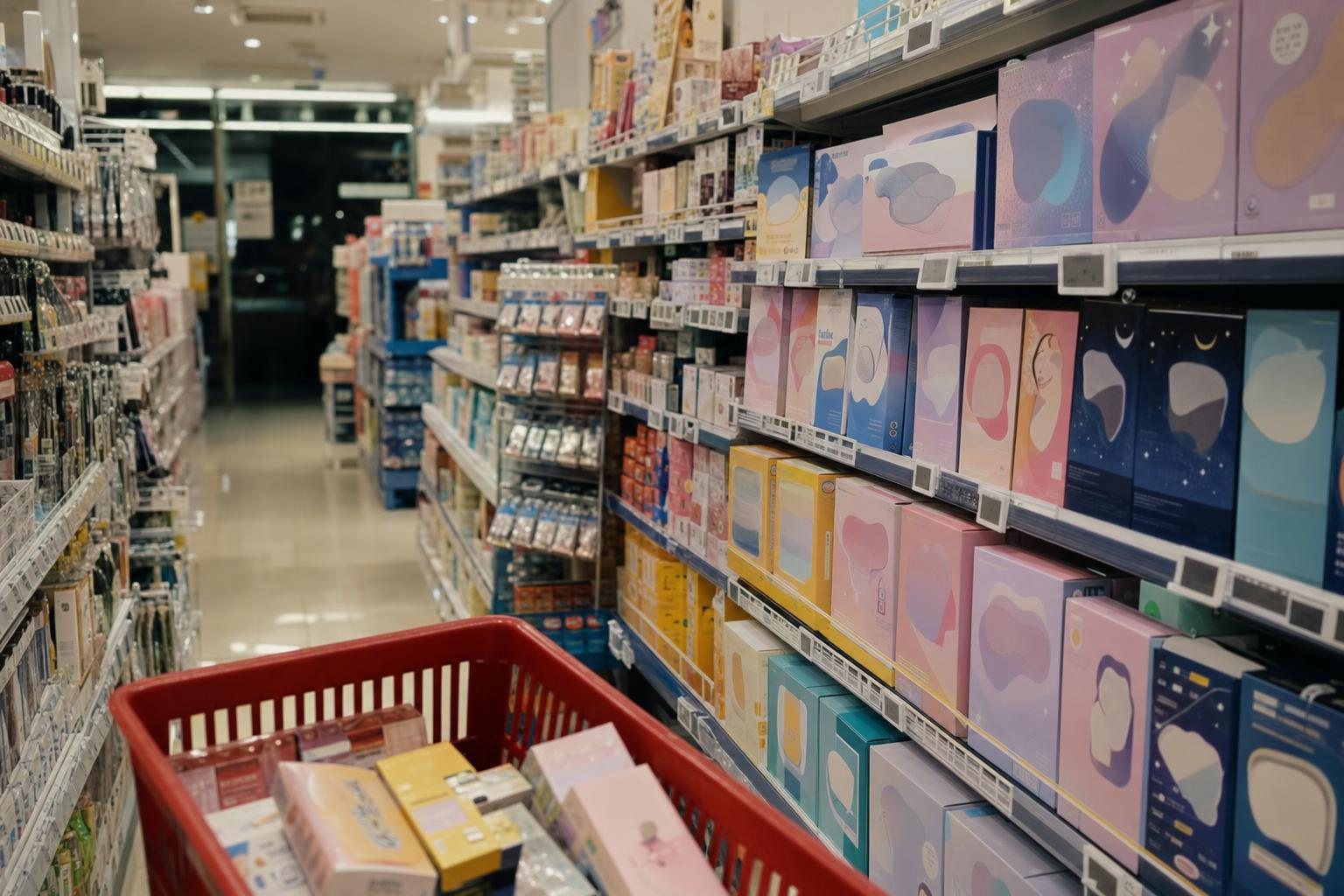
Matsumoto Kiyoshi, Welcia, Sugi, Daikoku — the glowing signs are everywhere, and inside is a very specific kind of paradise: products engineered with the full obsessiveness of Japanese consumer culture, at everyday prices. This is a category we know unreasonably well (our Japanese sister site reviews household goods for a living), so here’s the local’s shopping list.
Free coupon, worth having first
Before any of this: Don Quijote issues a tourist coupon worth 5% off over ¥10,000 or 7% over ¥30,000, stacked on top of tax-free. It costs nothing and takes thirty seconds.
⚠️ Big change coming: tax-free rules switch on November 1, 2026
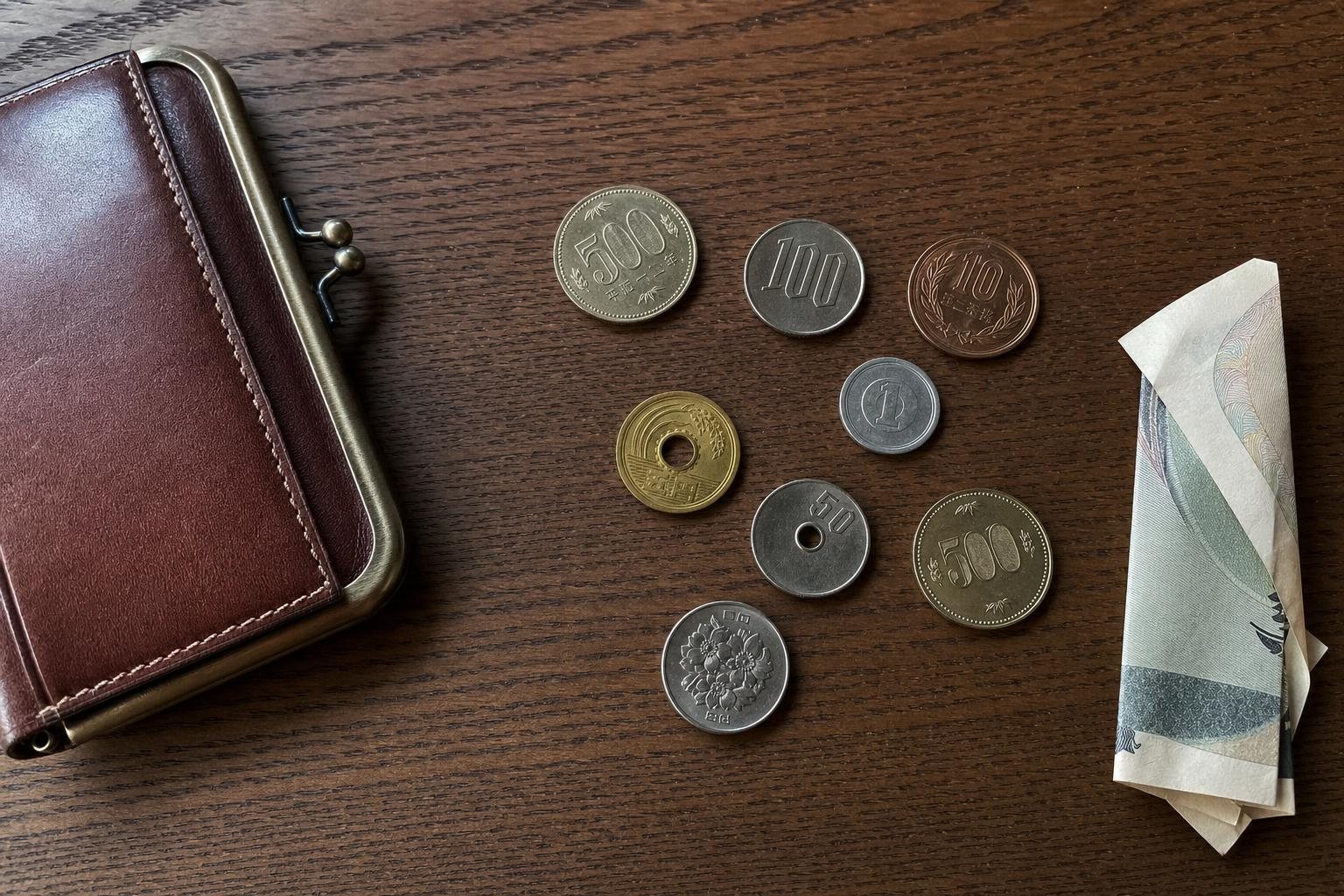
Right now (through October 31, 2026): show your passport, spend ¥5,000+ tax-free at the register, consumables get sealed in a bag you’re not supposed to open in Japan.
We wrote up exactly what changes on 1 November and what to do at the airport.
From November 1, 2026: Japan switches to a refund system. You’ll pay the 10% tax at the register, then claim it back at customs when you leave (within 90 days). Upside: no more sealed bags — you can use your sheet masks the same night. Downside: one more airport queue, so leave time for it. If you’re traveling around the switch date, don’t panic when your favorite blogger’s instructions don’t match the register.
The list: what’s actually worth your suitcase space
The universally loved
- Steam eye masks (MegRhythm/めぐりズム) — self-warming masks that make a 13-hour flight home survivable. The #1 “why don’t we have these” product
- Biore UV Aqua Rich sunscreen — the watery-light texture that made Japanese sunscreen a global cult. Cheaper here than anywhere online
- Rohto eye drops — the cooling-level scale (mild to “wasabi for your eyeballs”) is an experience in itself
- Salonpas patches — the pain-relief patches that outsell everything, in sizes from fingertip to shoulder blade
- Kyusoku Jikan (休足時間) cooling leg sheets — stick on your calves after a 25,000-step Kyoto day. Travelers’ legal doping
The connoisseur picks
- Ryukakusan throat drops (龍角散) — herbal, oddly addictive, in every local’s winter pocket
- ROIHI-TSUBOKO (ロイヒつぼ膏) — the little round warming patches your grandmother would love; a top gift for older relatives
- CANMAKE / CEZANNE cosmetics — ¥600–1,500 makeup with quality that embarrasses brands charging five times more
- Quick washes & sheet masks by the box (Lululun, Kose Clear Turn) — hotel-night ritual, suitcase-friendly gifts
Approach with knowledge
- Medicines (painkillers, cold tablets) — beloved locally, but check your home country’s import rules; some common Japanese ingredients are restricted abroad. When in doubt, stick to patches and drops
- KALDI-style snack aisles — drugstores sell snacks and drinks at prices konbini can’t touch. Matcha KitKats here, not at the airport (roughly half price)
How to shop it like a local
- Consolidate: tax-free needs ¥5,000+ (pre-tax) at one store, same day. One big Welcia run beats four small ones
- Look for the tax-free counter sign — big urban branches have dedicated counters (and often multilingual staff); tiny neighborhood shops may not offer it at all
- Prices vary more than you think — the same eye mask box can differ ¥300 between chains on the same street. Locals comparison-shop; feel free to be one of us
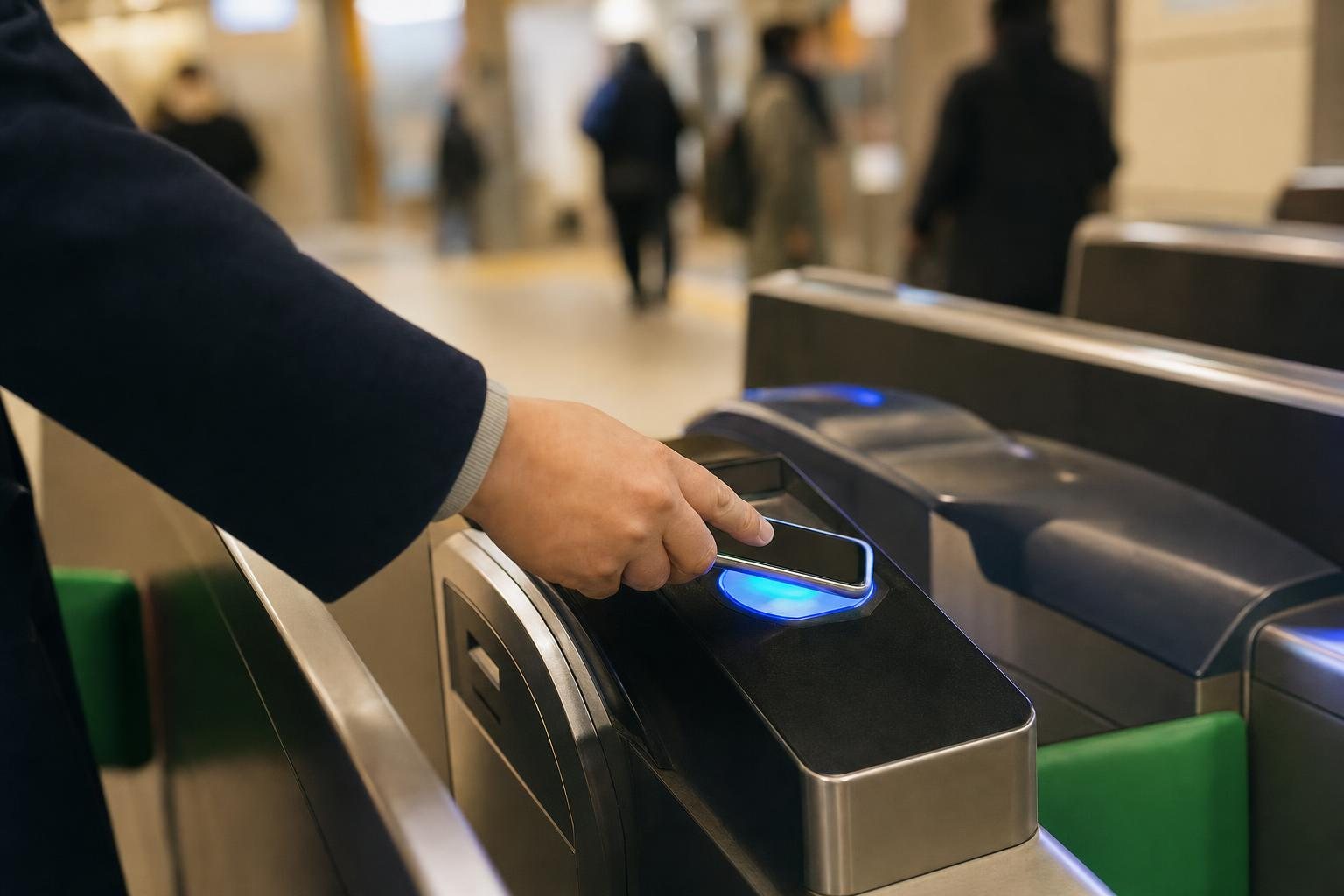
- Pay smart: cards and IC cards work fine at all major chains (more on money here)
- Read the label with your phone: Google Lens or the Translate app’s camera mode handles Japanese packaging surprisingly well — that’s how you tell the “cooling” eye mask from the “warming” one. It needs data, which is one more reason to have an eSIM sorted before you shop
- Don’t do this with a suitcase: drugstore aisles are narrow and the good branches are busy. If it’s checkout day, park the bag first — booked storage runs about ¥600 a day
- Go at night: many urban drugstores run late (some 24h) — perfect jet-lag activity
Free coupon, worth having
Don Quijote (Donki) issues a tourist coupon: show it on your phone at the register for 5% off over ¥10,000 or 7% off over ¥30,000, stacked on top of tax-free. It costs nothing. Donki is the late-night, everything-under-one-roof option — less curated than Matsukiyo, but the coupon tips the maths for a big haul.
FAQ
Drugstore vs Don Quijote?
Donki is the theme park (chaotic, fun, everything); drugstores are the supermarket (calmer, often cheaper for health/beauty staples). Do Donki once for the experience, drugstores for the actual haul.
Can I open the sealed tax-free bag?
Until Oct 31, 2026: not in Japan (customs can charge you the tax if the seal’s broken). From Nov 1, 2026: no more bags — use freely, refund at departure.
Are these products available at home online?
Often yes at 2–3× the price, sometimes as questionable parallel imports. Buying at source is the whole point.
The bottom line
Budget one empty duffel and one hour in a big-city drugstore near the end of your trip. Hit the ¥5,000 tax-free line without trying, fill it with eye masks and sunscreen and patches, and you’ll be the most popular person home — for about the price of two airport gift boxes.
Going deeper: which skincare is actually worth the suitcase space · the medicine guide, including what you cannot legally take home · Don Quijote, and the free coupon · what is worth buying at the airport.
Tax-free rules verified August 2026; the November 2026 refund transition is legislated but operational details may evolve — check signage in store. Nothing here is medical advice; check your country’s import rules for medicines. Corrections via the contact page. Some links here are paid affiliate links.